Bird Feet Types: A Field Guide to Identifying Birds by Their Feet
Bird feet are built for the job each species needs to do, whether that's gripping a branch, swimming across a pond, or seizing prey mid-strike. This guide walks through the main types of bird feet, what each one is designed for, and how recognizing foot shape can sharpen your field identification skills.
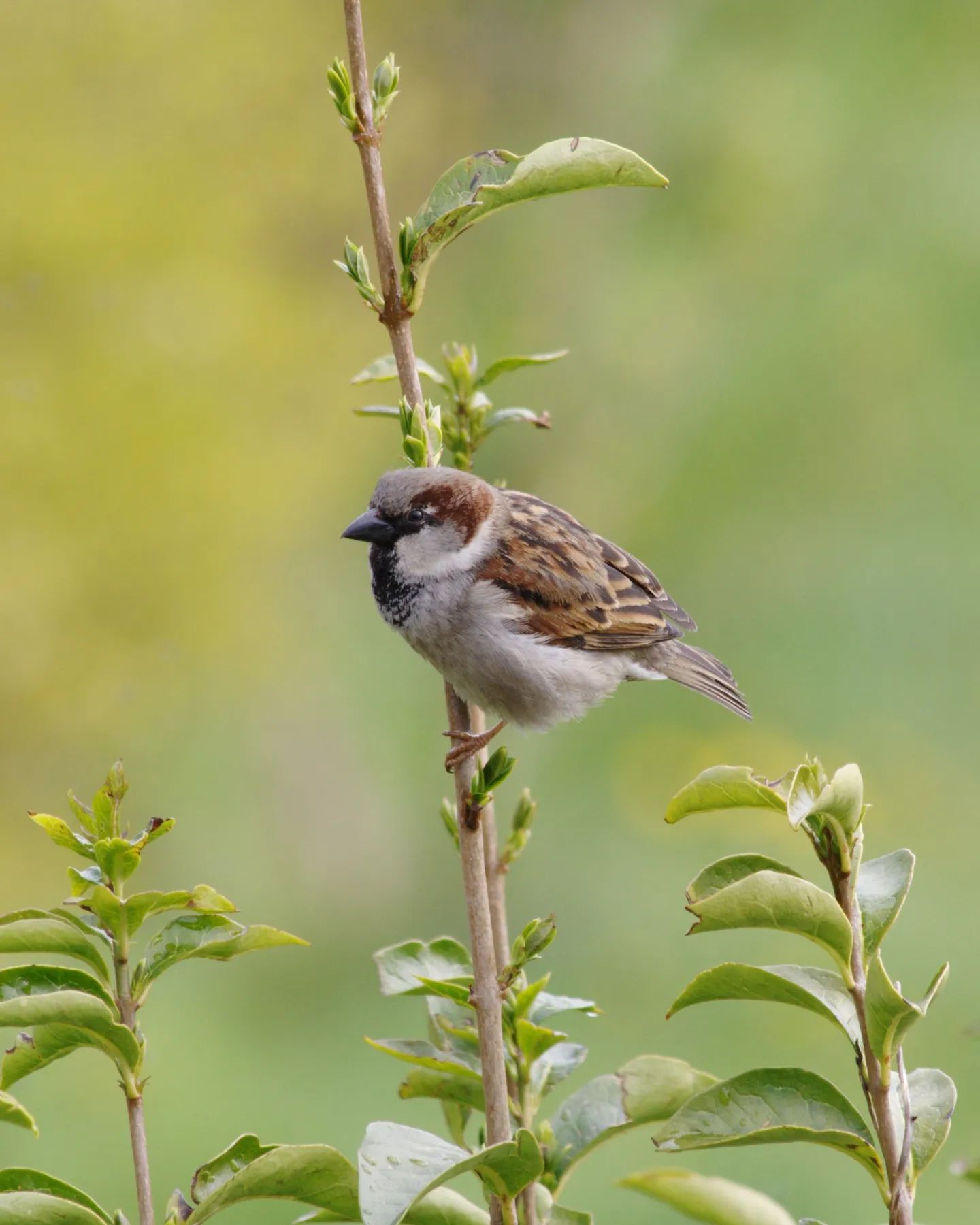 Philip Heron · CC BY-SA 3.0 · Wikimedia Commons
TL;DR: Birds have 8 main foot types: from anisodactyl perching feet and zygodactyl climbing feet to webbed swimmers and raptorial talons, and foot shape reveals habitat and lifestyle just as reliably as beak shape reveals diet.
BirdTune identifies birds instantly from a photo. Foot shape is one of the clearest features a photograph reveals. Webbed toes signal a swimmer. Long, splayed toes signal a wader. Sharply curved talons point to a predator. Point your camera at any bird and BirdTune returns the species name and a photo match in seconds, reading every visible clue in the image, including the feet.
Understanding these foot types yourself turns the same logic into a field skill you can use without reaching for your phone. Most birders scan for color and song first, and feet often get overlooked entirely. That's a missed opportunity: a bird's foot arrangement is one of the clearest signals of how it lives, and it's usually visible at a glance once you know what to look for.
This guide walks through the 8 main bird foot types, what each one is built for, and which birds you'll recognize by it.
Why Foot Shape Matters for Identification
Unlike beak shape, which mostly signals diet, foot shape tends to signal habitat and movement style. A bird that spends its life walking through mud needs very different feet than one that spends its life gripping branches forty feet off the ground, and the difference is usually visible at a glance once you know what you're looking at.
Foot shape also tends to be consistent within a bird family, which makes it a reliable way to place an unfamiliar bird into a general category even before you've nailed down the exact species.
The 8 Main Bird Foot Types
1. Anisodactyl (Perching) Feet
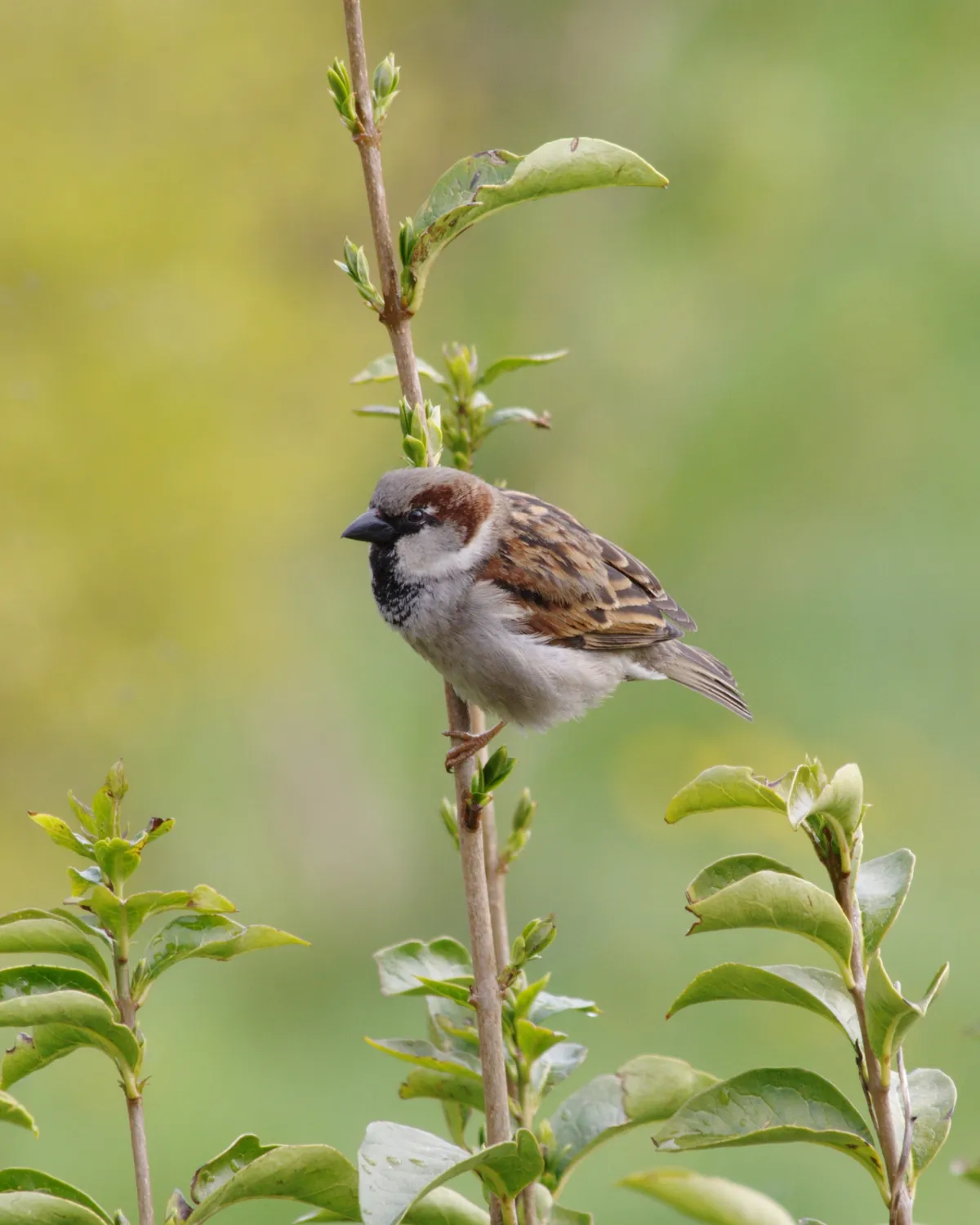
Three toes point forward and one toe (the hallux) points backward. This is by far the most common foot arrangement in the bird world, found in the vast majority of songbirds and many other species. It's an all-purpose design, good for perching, walking, hopping, and grasping a branch securely enough to sleep without falling, thanks to a tendon mechanism that automatically locks the toes around a perch when the bird settles its weight.
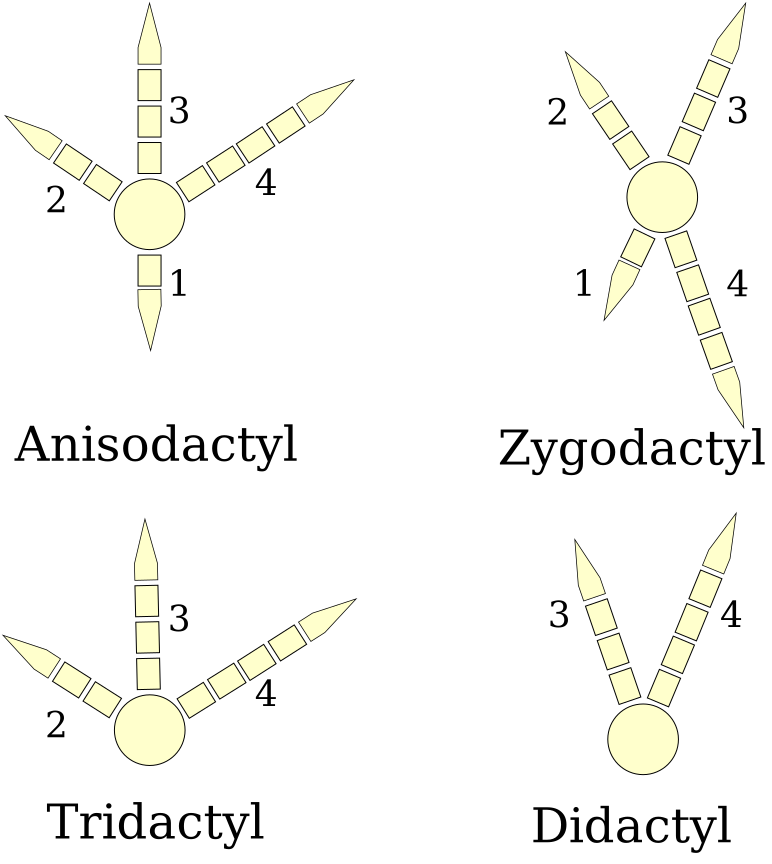
Look for it on: sparrows, robins, cardinals, and most songbirds.
What it tells you: this bird is built for life in trees and shrubs, perching and foraging rather than swimming or wading.
2. Zygodactyl (Climbing) Feet
Two toes point forward and two point backward, creating a stronger, more balanced grip than the standard perching arrangement. This setup is ideal for climbing vertical surfaces and even hanging upside down, which is exactly what woodpeckers need while working their way up and down a tree trunk.
Look for it on: woodpeckers, parrots, and cuckoos.
What it tells you: this bird spends significant time climbing or clinging to vertical surfaces like tree trunks, rather than perching on open branches the way most songbirds do.
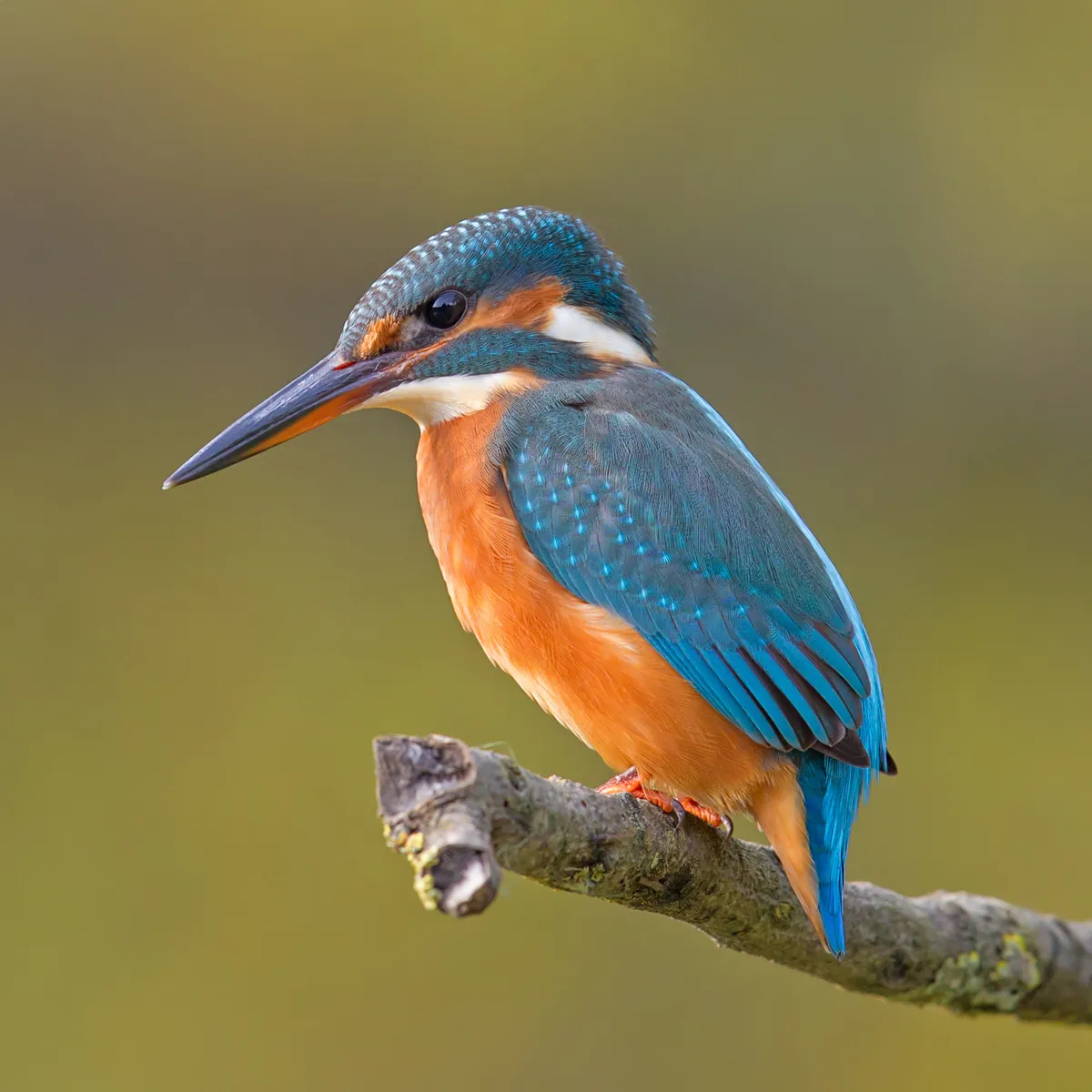
3. Syndactyl Feet
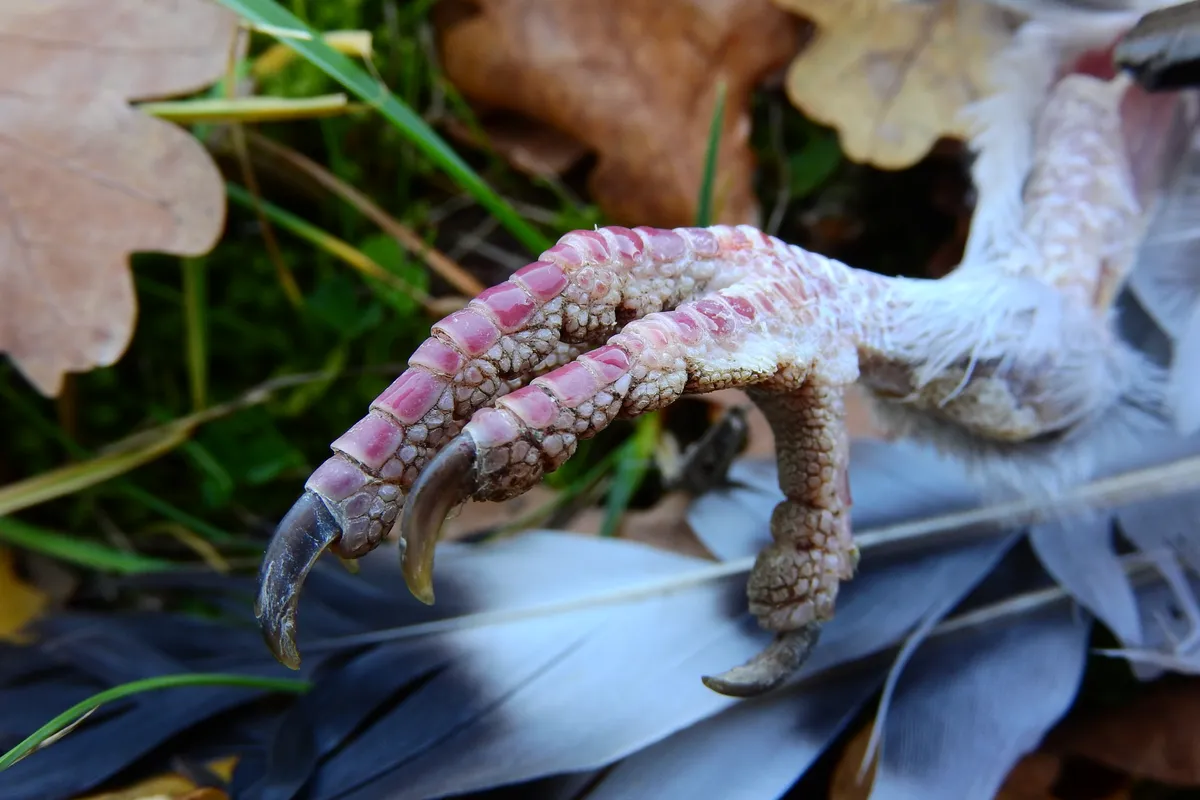
A more subtle variation where two or more forward-facing toes are partially fused at the base. The fusion doesn't interfere with walking but adds extra stability, which helps when landing on or balancing on small, exposed perches.
Look for it on: kingfishers.
What it tells you: this bird needs precise balance on narrow perches, often while watching for prey below, such as a kingfisher scanning the water from a branch before diving.
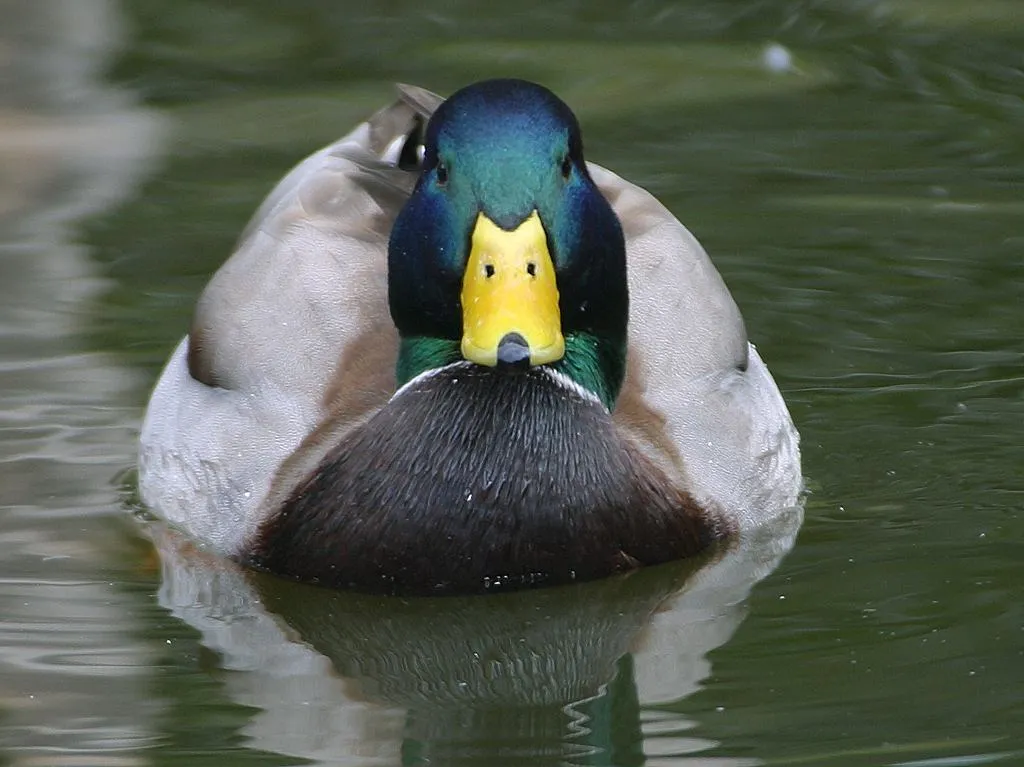
4. Palmate (Webbed) Feet
Skin stretches between the front three toes, creating a paddle-like surface that pushes against water efficiently. This is the foot type most people picture when they think of a duck, and it's a dead giveaway that you're looking at a swimming bird rather than a wading or perching one.
Look for it on: ducks, geese, and gulls.
What it tells you: this bird swims as a primary means of getting around, and you'll usually find it on or very near open water.
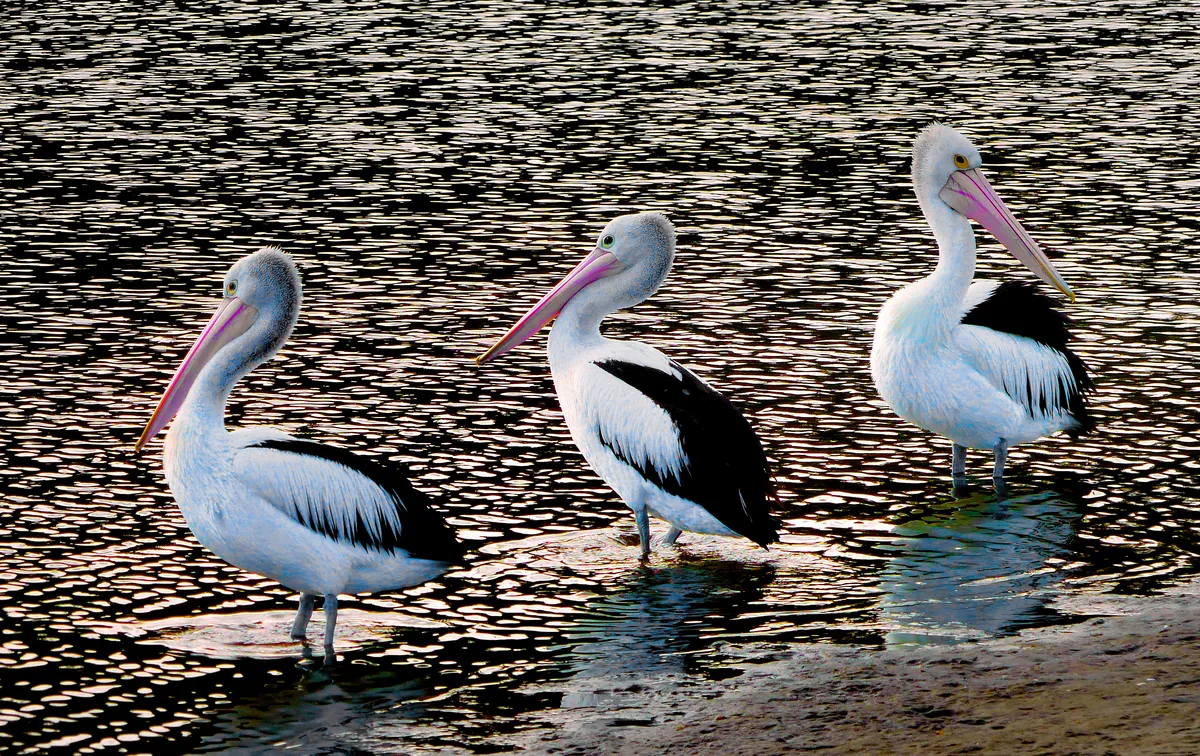
5. Totipalmate Feet
All four toes (including the backward-facing hallux) are connected by webbing. This is a more extensive version of webbing than palmate feet, built for birds that need extra propulsion or that spend time diving and swimming underwater.
Look for it on: pelicans, cormorants, and gannets.
What it tells you: this bird is a strong swimmer, often diving for fish, and is built for performance in water beyond what a standard webbed foot provides.
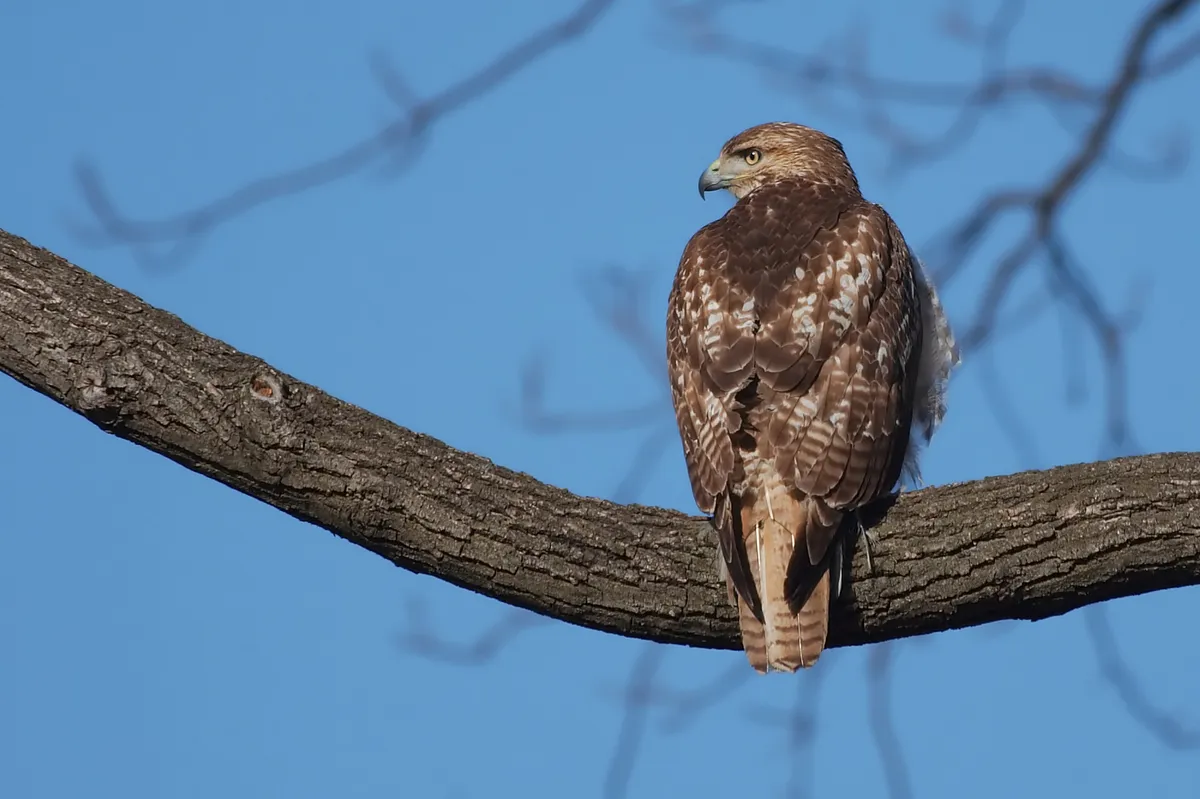
6. Raptorial (Talon) Feet
Large, powerful feet with sharply curved talons, built for seizing and killing prey rather than just perching. The grip strength in a raptor's foot is immense, and in many species a locking tendon mechanism lets the bird maintain a crushing hold on struggling prey without active muscle effort.
Look for it on: hawks, eagles, falcons, and owls.
What it tells you: this bird hunts live prey and uses its feet (not just its beak) as its primary weapon. Owls take this further with a foot that can rotate one toe forward or backward, giving them either a typical perching grip or an extra-strong prey-gripping arrangement depending on what they need at the moment.
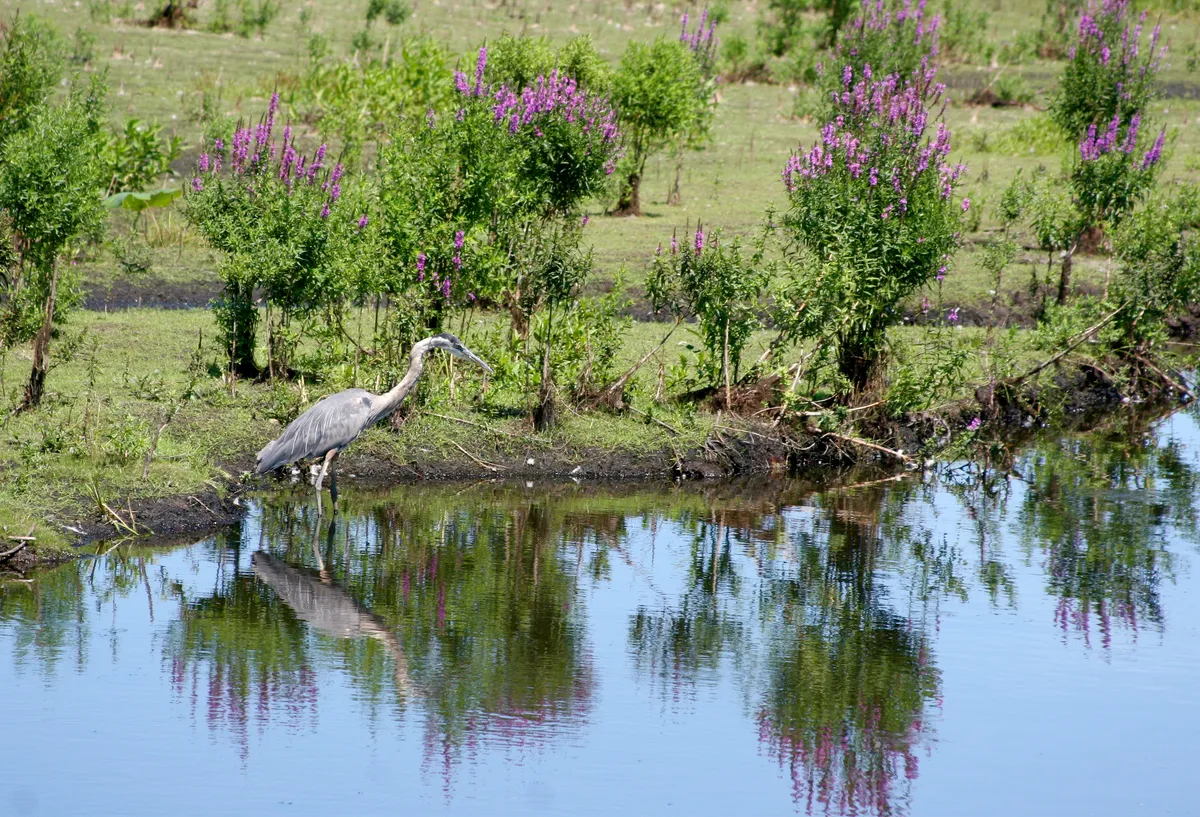
7. Long-Legged Wading Feet
Long, slender legs paired with long toes that spread a bird's weight over soft mud or shallow water, preventing it from sinking. The length of the leg itself (not just the foot) is part of the adaptation, letting these birds wade into water that would be far too deep for a shorter-legged species.
Look for it on: herons, egrets, flamingos, and stilts.
What it tells you: this bird forages by wading into shallow water or soft ground, and you'll almost always find it near a wetland, shoreline, or pond.
8. Cursorial (Ground-Running) Feet
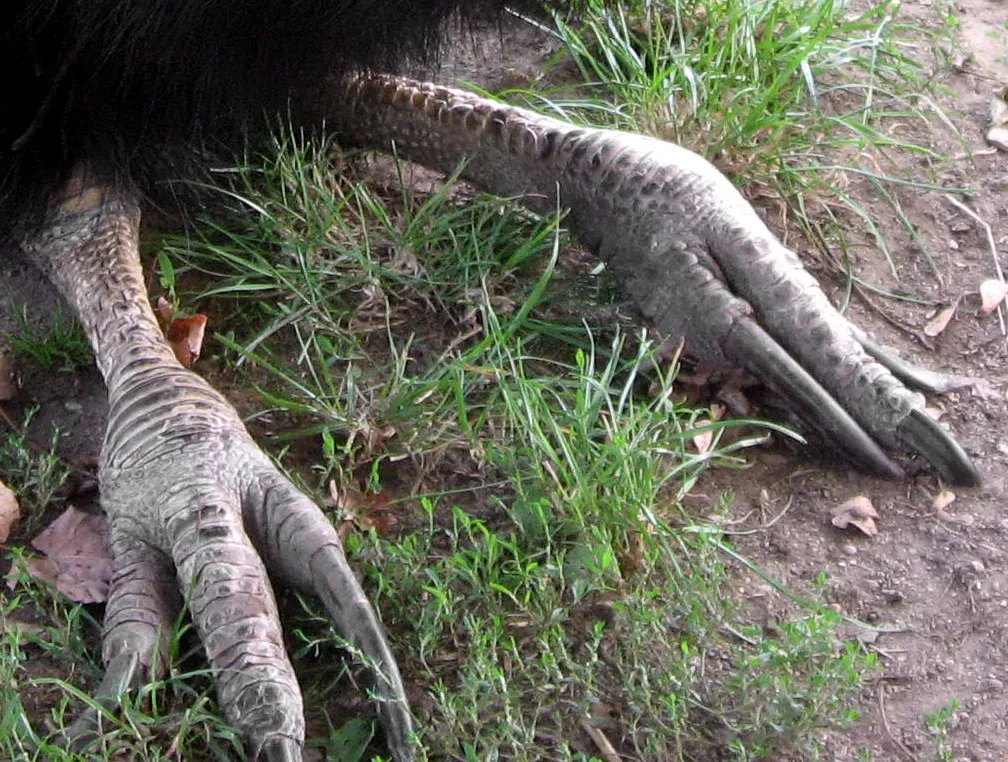
Sturdy, often thick-toed feet built for fast, sustained movement on the ground rather than for perching or swimming. Many ground-dwelling birds rely on running rather than flight as their main escape strategy, and their feet reflect that priority. The cassowary takes this to an extreme with a dagger-like inner claw used in defence.
Look for it on: roadrunners, pheasants, and other ground-dwelling birds.
What it tells you: this bird spends most of its time on the ground (walking, running, and scratching for food) rather than perching in trees.
No need to guess what you just saw or heard
Can't tell what those feet belong to from here? Point your phone at the bird and let BirdTune confirm it.
Using Foot Shape Alongside Other Field Marks
Foot shape rarely stands alone as an identification tool, but it's an excellent filter to apply early. Spotting webbed feet immediately rules out perching songbirds and points you toward waterfowl or gulls. Spotting a zygodactyl grip on a tree trunk narrows things down to woodpeckers, parrots, or cuckoos before you've even registered color or pattern. Combine that first read with habitat, size, and behavior, and you'll often arrive at a confident identification faster than starting from plumage alone.
Just as with beak shape, similar feet can show up in unrelated bird families that have adapted to similar lifestyles. Convergent evolution means foot shape tells you about function and habitat first, which is often the fastest clue available in the field, even before you know exactly which species you're looking at.
Put This Guide Into Practice
The next time you spot a bird and want to confirm what its feet are telling you, BirdTune identifies birds instantly by photo or sound, drawing on a species database covering hundreds of species across 50+ countries, with 500+ identifications happening daily. Point your camera at the bird in front of you and let the species profile fill in the details your eyes just started to piece together.
Try it on the next bird you hear
Not sure what bird you just spotted? BirdTune identifies it instantly from a photo or sound recording: species name, photo match, and range map in seconds, drawing on a database covering hundreds of species across 50+ countries, with 500+ identifications happening every day.
FAQ: Bird Foot Types
Why do owls have a foot type different from most other raptors?
Owls can rotate their outer toe forward or backward, giving them a flexible grip that shifts between a typical perching arrangement and an extra-strong prey-holding grip depending on the situation, a trait most other raptors don't share, since they rely on a fixed talon arrangement instead.
Can foot shape tell you a bird's diet the way beak shape can?
Not as directly. Foot shape mostly signals habitat and movement style (swimming, wading, climbing, perching) rather than what a bird eats. Beak shape remains the more reliable feature for diet specifically, though the two often line up, since habitat and diet are closely linked.
Are webbed feet always a sign a bird spends most of its time on water?
Almost always, yes. Palmate and totipalmate webbing exist specifically to improve swimming efficiency, so a bird carrying either foot type is reliably a strong swimmer, even in the rare cases where it also spends meaningful time on land, like some gulls.
Do all perching birds have the same foot arrangement?
Most do: the anisodactyl arrangement, three toes forward and one back, is standard across the vast majority of songbirds. The main exceptions are climbing specialists like woodpeckers and parrots, which trade the typical perching grip for a stronger, more balanced climbing grip instead.